Quick Answer: Just six inches of floodwater in a Southwest Florida home can cause upwards of $25,000 in damage. Even shallow flooding destroys flooring, wicks up into drywall and insulation, ruins custom cabinetry, and introduces toxic mold and sewage into the home within 24 to 48 hours. Preventing this requires proactive barrier protection, such as the Aqua-Cade™ system.
It doesn’t take a major storm surge to cause major damage.
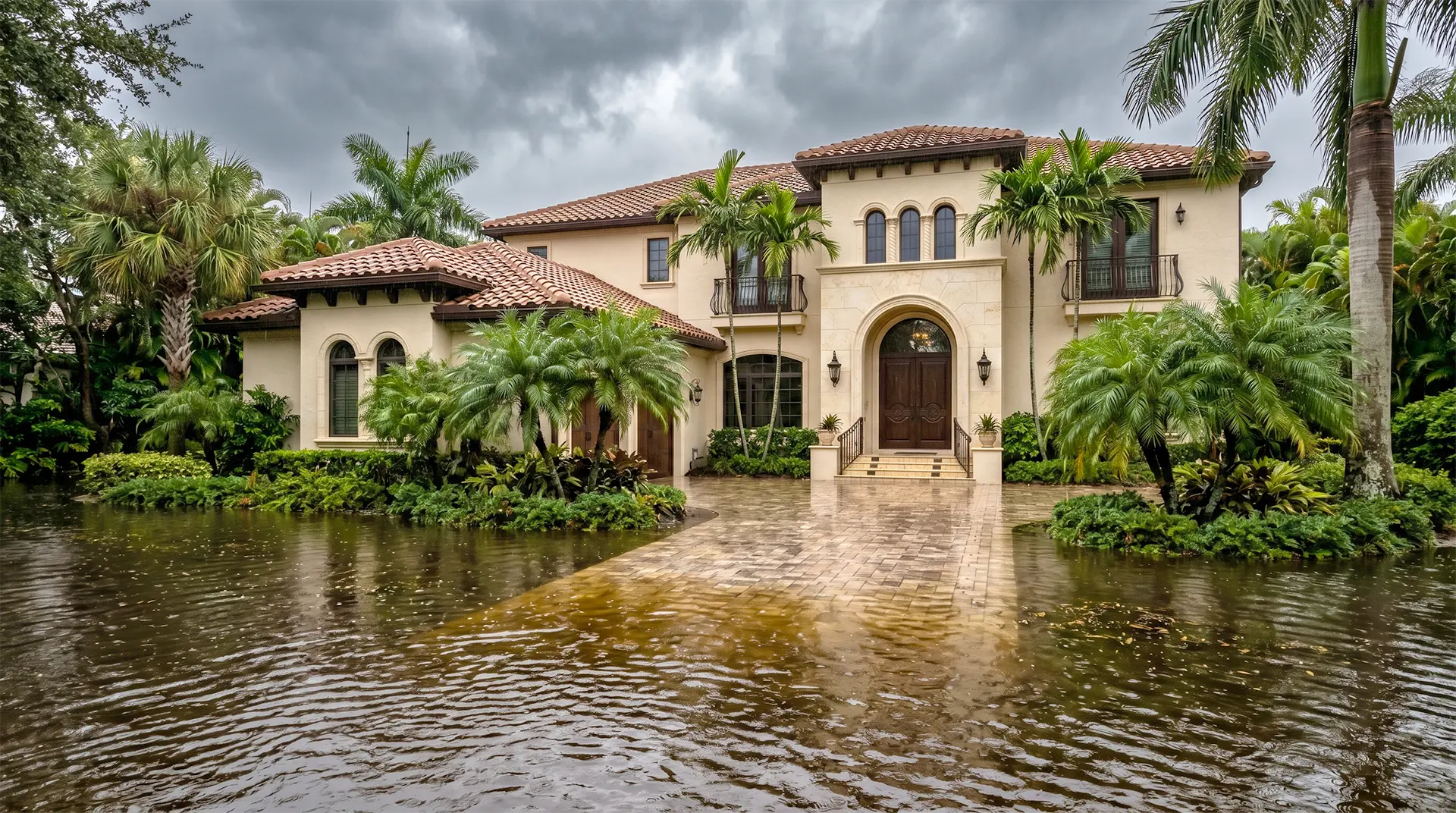
For many homeowners in Southwest Florida, the threat of “six inches of floodwater” sounds surprisingly survivable. It sounds like a weekend cleanup problem, not a home-threatening event.
In reality, even shallow flooding can trigger devastating damage, unhealthy living conditions, and weeks—or even months—of severe disruption. According to FEMA, just one inch of floodwater in an average-sized home can cause up to $25,000 in damage. Imagine the financial devastation of a half-foot of water sitting in a luxury property.
At Water Gate Systems, we constantly remind homeowners of this hidden risk: even a few inches of water can lead to massive restoration costs, rampant mold growth, ruined custom interiors, and immense stress.
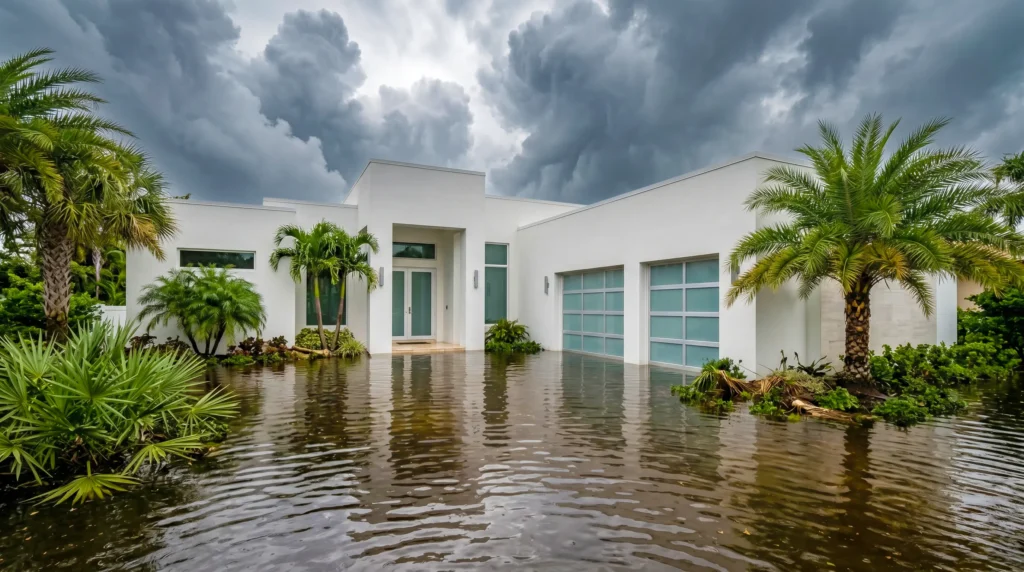
Why Is 6 Inches of Flooding a Nightmare Scenario?
Six inches of floodwater is more than enough to breach doorways, seep into flooring, soak into drywall, and damage custom cabinetry. In the Southwest Florida climate, where heat and high humidity naturally accelerate deterioration, that water doesn’t just sit harmlessly on the surface.
It begins compromising your home’s finishes almost immediately. Worse, it creates the perfect lingering moisture conditions for mold and mildew to thrive. Without proper barrier protection in place, homeowners face not only catastrophic property damage but also long-term health risks.
What Does 6 Inches of Floodwater Damage in a Typical Home?
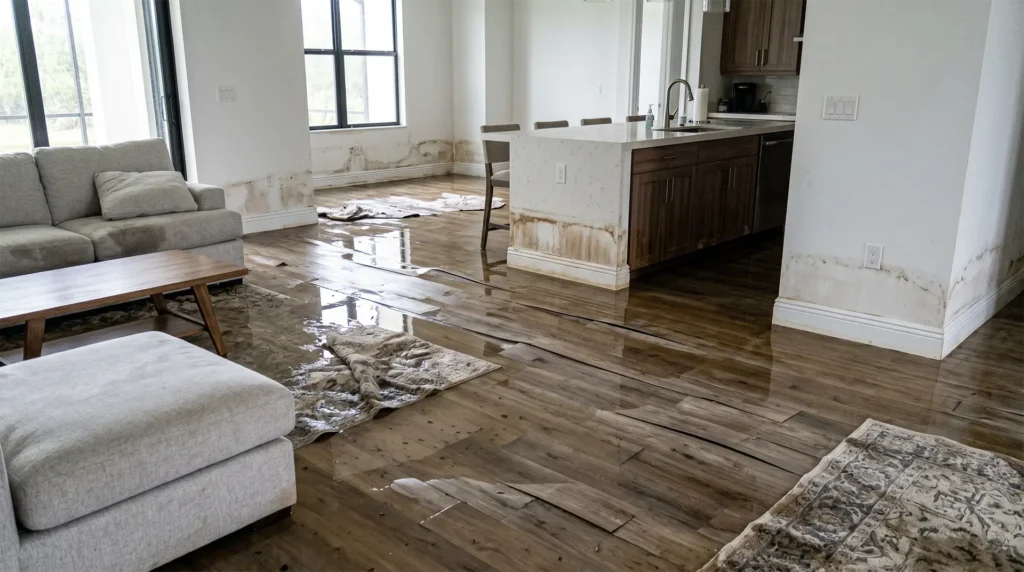
When water enters your home, it attacks from the ground up. Here is a breakdown of what just six inches of water can destroy:
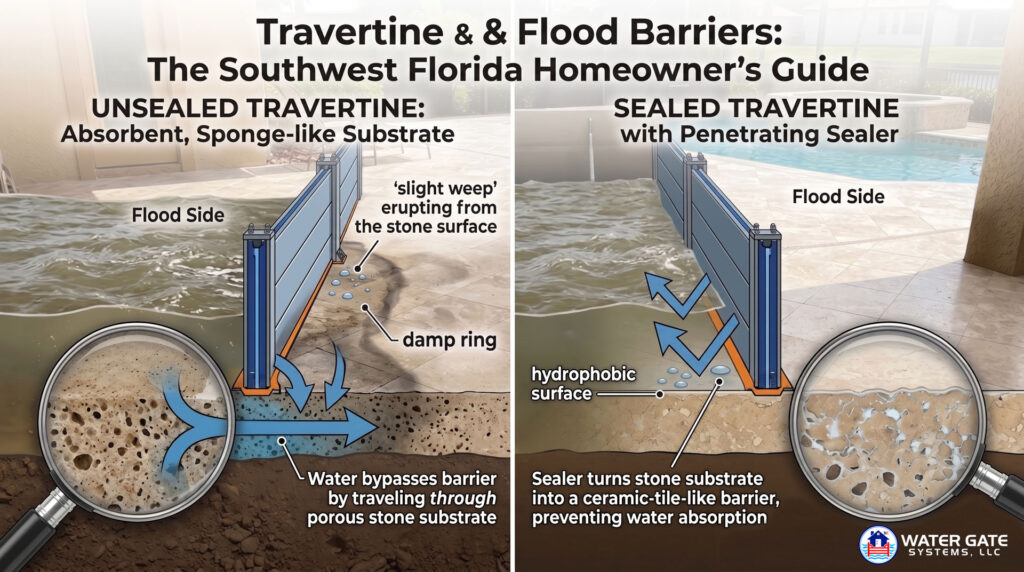
- Floors: Whether your home features hardwood, engineered flooring, laminate, or luxury vinyl, floodwater can stain, warp, swell, and separate the materials. Even premium tile floors aren’t safe; water easily infiltrates grout lines, seeps beneath the underlayment, and undermines the foundation of the floor.
- Drywall and Insulation: Drywall acts exactly like a sponge. Once water touches the bottom edge, it wicks upward, meaning the damage extends far beyond the visible waterline. This saturates the insulation behind the walls, creating hidden pockets of dampness that are notoriously difficult to dry out completely.
- Baseboards and Trim: Baseboards are often the first obvious casualties of a flood. They quickly swell, separate from the wall, stain, and trap moisture behind them. Removing ruined trim is almost always step one in the remediation process.
- Cabinetry: Kitchen islands and bathroom vanities easily absorb water through toe-kicks, side panels, and lower cabinet doors. Even if your expensive countertops look untouched, the structural cabinet boxes underneath may be permanently compromised.
- Doors and Interior Finishes: Solid and hollow-core doors will swell, stick in their frames, and delaminate. Paint, caulk, and high-end decorative finishes are prone to bubbling, peeling, and failing entirely after exposure to contaminated water and extreme humidity.
What Are the Hidden Health Threats of Shallow Flooding?
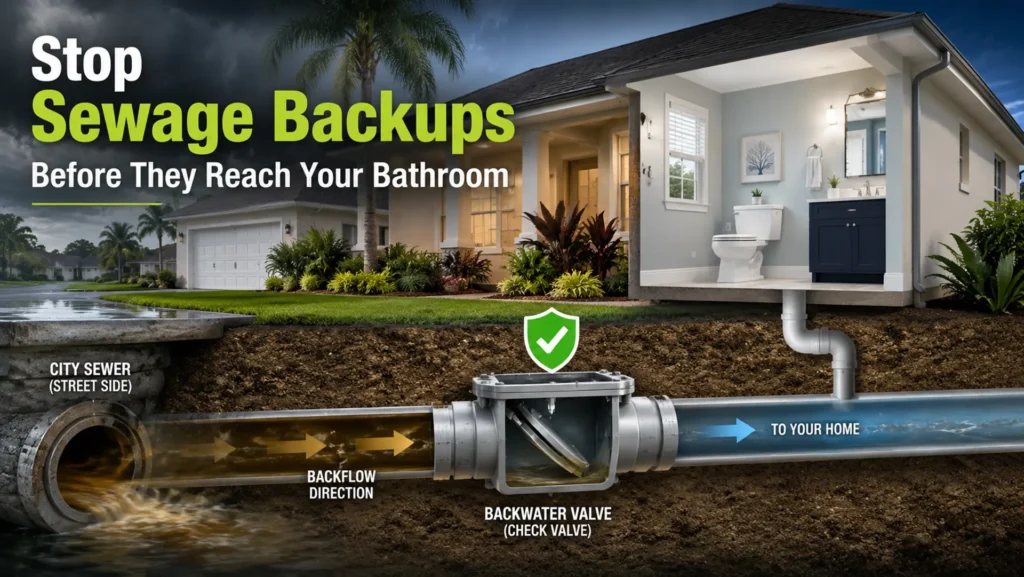
One of the most overlooked dangers of flooding is the water itself. Floodwater is rarely clean. It frequently contains raw sewage, harmful chemicals, and hazardous runoff from nearby streets. Suddenly, what looks like a simple water problem becomes a severe health and sanitation crisis.
Furthermore, mold and mildew can proliferate within 24 to 48 hours in a humid climate like Naples, Fort Myers, and the surrounding coastal areas. This drastically increases the chances of long-term respiratory concerns and guarantees a much more extensive—and expensive—remediation process.
What Is the True Cost of Minor Flood Damage?
When assessing flood risk, homeowners often calculate the cost of replacing materials. But the real loss is the downtime. Even with a minor flood event, you may be facing:
- Extensive demolition of damaged materials
- Professional drying and dehumidification services
- Mold inspection and hazardous remediation
- Replacement of floors and lower sections of drywall
- Extensive repainting and finish work
- Massive disruption to your daily life
- Weeks or months living out of a hotel or rental during repairs
Why Is Flood Damage So Costly in Southwest Florida?
Homeowners in Southwest Florida face a unique combination of risks that make shallow flooding exceptionally costly: storm surges, heavy tropical rains, coastal exposure, and homes built with luxury, hard-to-replace finishes.
For upscale homes across the Gulf Coast, six inches of water is a catastrophic event. It means the loss of custom millwork, premium flooring, built-in entertainment centers, and irreplaceable personal contents.
How Can Homeowners Protect Against Floodwater?
Waiting until after a storm hits is rarely cheaper, easier, or less stressful than preparing in advance. That is why proactive flood protection matters.
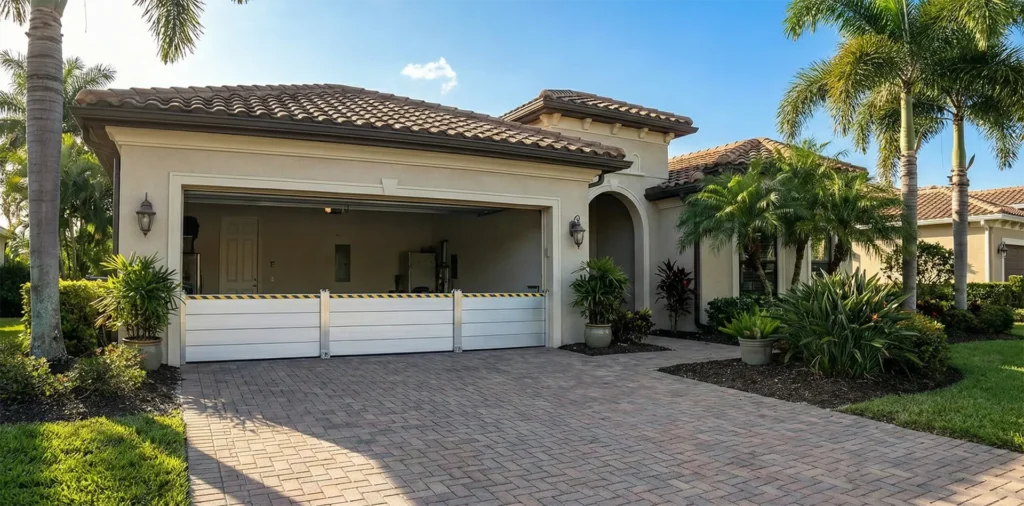
To help homeowners protect their investments and preserve their peace of mind, Water Gate Systems offers the Aqua-Cade™ system. Designed as a premium, engineered flood barrier for high-risk scenarios like hurricane storm surges, Aqua-Cade™ provides:
- Heavy-duty durability to withstand protracted wind, rain, and surge events.
- Reusability year after year.
- Aesthetic integration that doesn’t ruin the look of your beautiful home.
- Rapid deployment that is leaps and bounds easier and more effective than makeshift methods like sandbags.
Note: While elevating a home remains the only truly risk-free flood protection method, Aqua-Cade™ is widely recognized as the single most reliable and effective barrier system available to guard existing structures.
Frequently Asked Questions (FAQs) About Shallow Flooding
How much damage does 6 inches of floodwater cause?
According to FEMA, just one inch of water can cause $25,000 in damage to an average-sized home. Six inches of water destroys flooring, baseboards, lower drywall, insulation, and custom cabinetry, often requiring extensive and costly professional remediation.
How fast does mold grow after a flood in Florida?
In humid climates like Southwest Florida, mold and mildew can begin to grow within 24 to 48 hours of water exposure. Contaminated floodwater greatly accelerates this process.
Are sandbags enough to stop 6 inches of water?
No. Sandbags are highly porous, prone to leaking, heavy to move, and difficult to dispose of once contaminated by floodwater. Engineered flood barriers like the Aqua-Cade™ system offer a much more reliable, watertight seal against storm surge.
Can drywall be saved after flooding?
Typically, no. Drywall acts like a sponge and wicks moisture upward. Even if the floodwater was only 6 inches deep, the drywall usually needs to be cut and replaced at least 12 to 24 inches above the waterline to remove all saturated material and prevent hidden mold growth.
Don’t Wait for the Water to Rise
Avoid the massive financial burden, the health risks, and the emotional toll of flood damage. Protect your home, reduce your financial risk, and gain ultimate peace of mind before the next storm threatens our coast.
Don’t wait for a storm watch to realize you’re unprotected.
Click Here to Request a Free, No-Obligation On-Site Survey
or call us at (239) 243-9571 today. We’ll evaluate your SWFL home and show you exactly how the Aqua-Cade™ system can keep your property safe and dry.